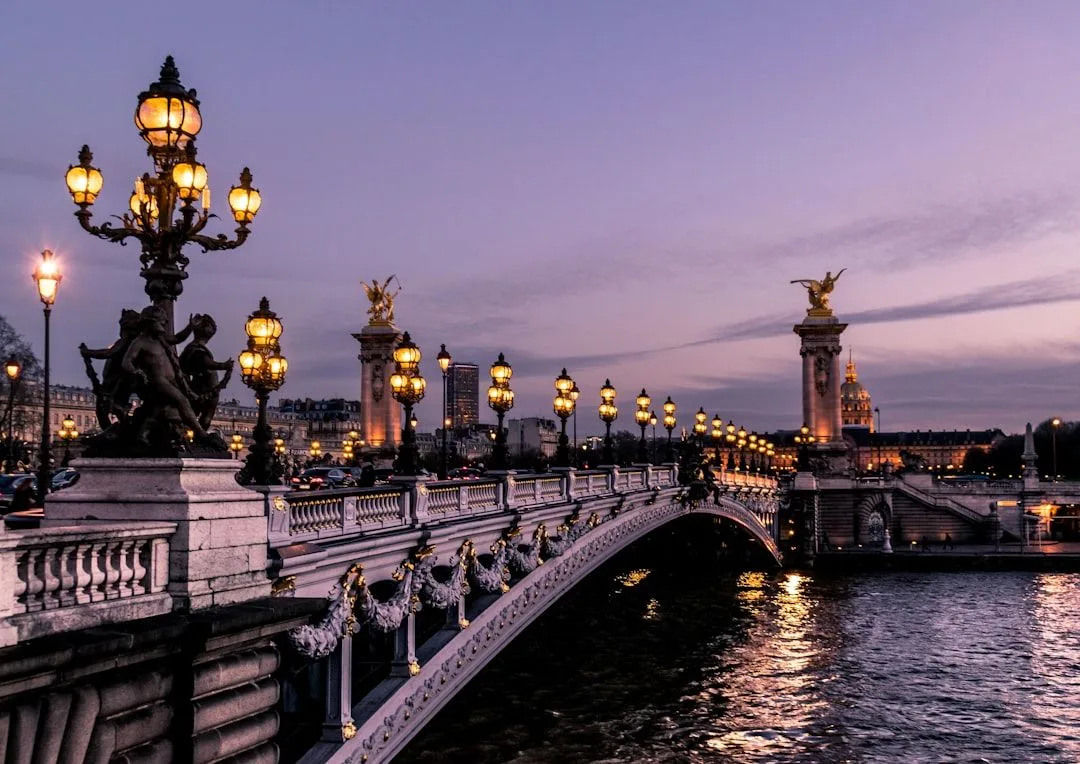
Paris rewards walking more than ticketing. Its best hours are outdoors and they cost nothing.
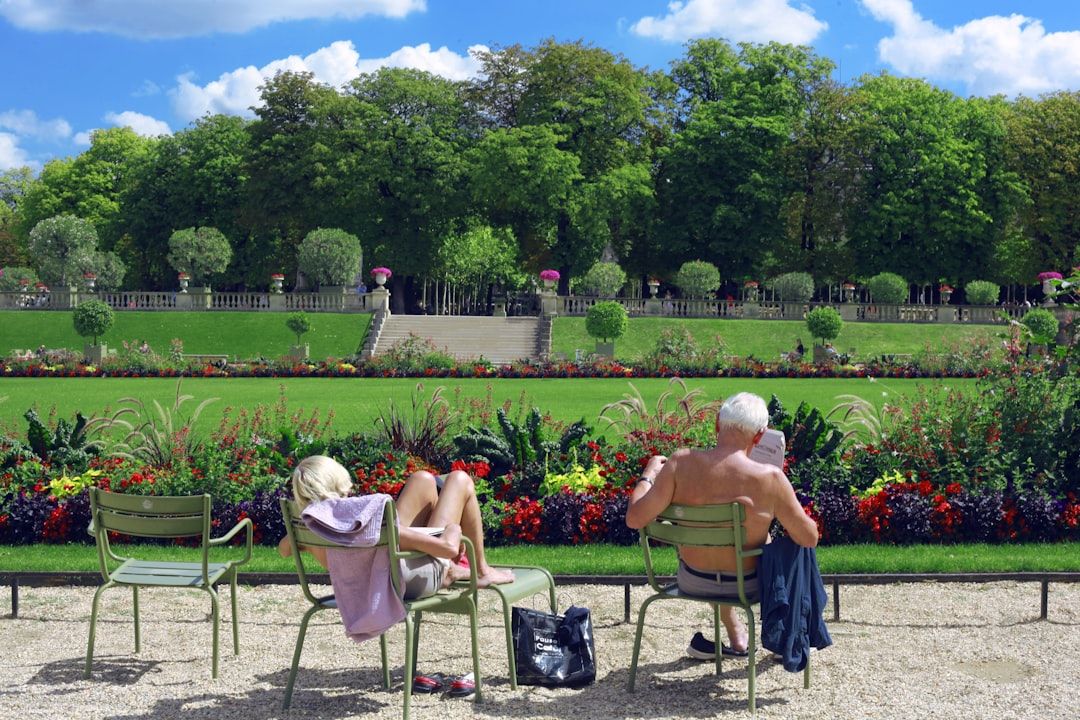
The parks nobody names
Buttes-Chaumont in the 19th — built on a former quarry, with cliffs, a lake, a temple on a rock outcrop and a suspension bridge. Hillier and stranger than the Luxembourg, and used almost entirely by residents.
Parc Monceau in the 8th, with follies and rotundas.
Parc Montsouris in the 14th.
Bois de Vincennes and Bois de Boulogne, both larger than Central Park, on the city's edges.
And the famous ones — Luxembourg, Tuileries, Place des Vosges — which are famous for good reason.
The canals
Canal Saint-Martin — iron footbridges, locks that still operate, and people sitting along the water on warm evenings. Young Paris, with no tourist infrastructure.
Bassin de la Villette further north, with open-air cinema in summer.
Canal de l'Ourcq, walkable and cyclable out of the city.
The disused railway
The Petite Ceinture — a line that circled Paris, with sections now open as walkable green corridors through cuttings and past abandoned stations.
Free, largely unvisited, and it shows the city from a level nothing else does.
The Promenade Plantée in the 12th, an elevated park on an old viaduct, which predates New York's High Line and inspired it.
The free views
Parc de Belleville in the 20th, looking west across the whole city.
The steps below Sacré-Cœur, where people sit with bottles of wine.
The Institut du Monde Arabe's rooftop terrace — free, looking over the Seine toward Notre-Dame, and almost nobody knows it is open.
The Galeries Lafayette rooftop, also free.
The market streets
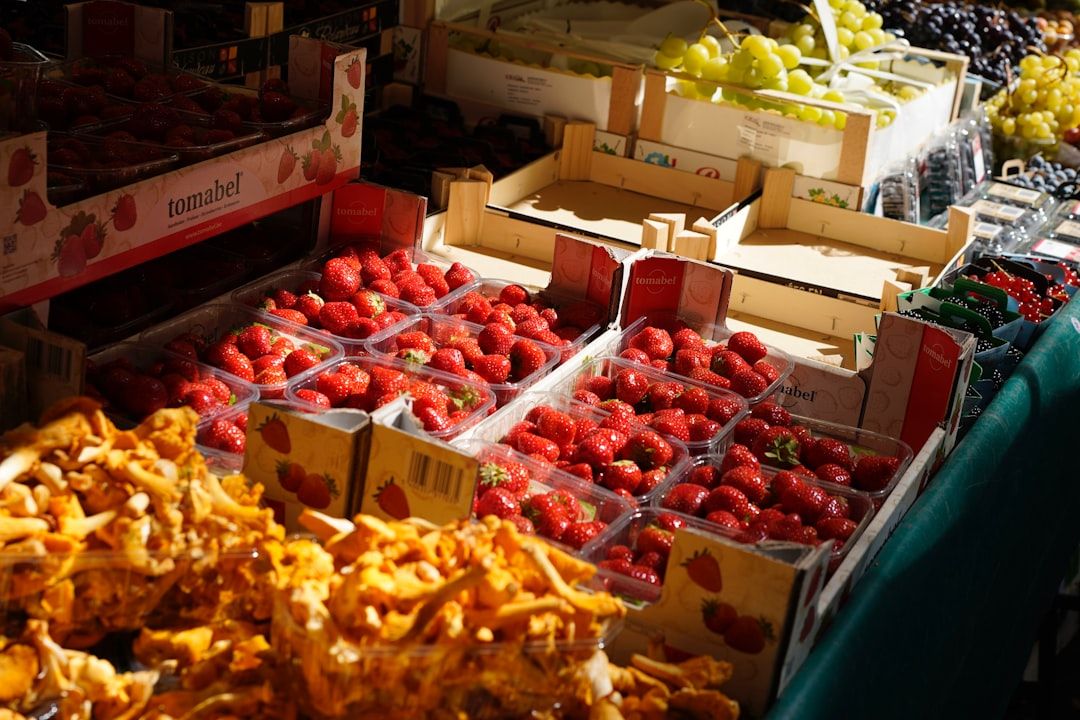
Rue Mouffetard in the 5th, Rue Montorgueil in the 2nd, Rue Daguerre in the 14th, Rue des Martyrs in the 9th.
All pedestrianised or semi-pedestrianised food streets used by people who live there.
Marché des Enfants Rouges in the Marais — the oldest covered market in Paris, with food stalls to eat at.
Marché d'Aligre in the 12th, with a flea market attached.
Père Lachaise
Forty-four hectares of tombs and trees on a hillside, free, holding Wilde, Morrison, Chopin and Piaf.
Take a map at the entrance — the paths are irregular and finding specific graves is genuinely hard without one.
The Seine
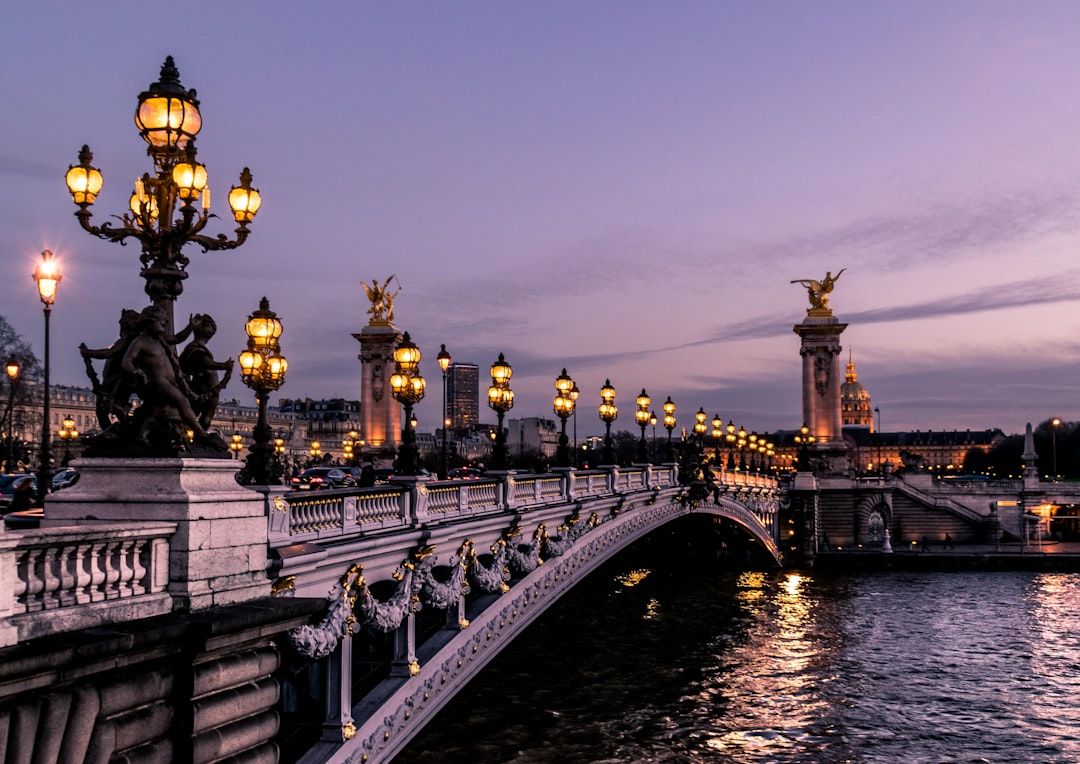
The quays are pedestrianised in stretches, with the Left Bank between the Musée d'Orsay and the Pont de l'Alma given over to walking.
In summer, temporary beaches and installations appear along the water.
Practical
Walk more than you plan to. The metro is dense and it hides the city.
Coffee standing at the bar is a third of the terrace price.
Picnic — a bakery, a fromagerie and a park is the cheapest good lunch in Paris.