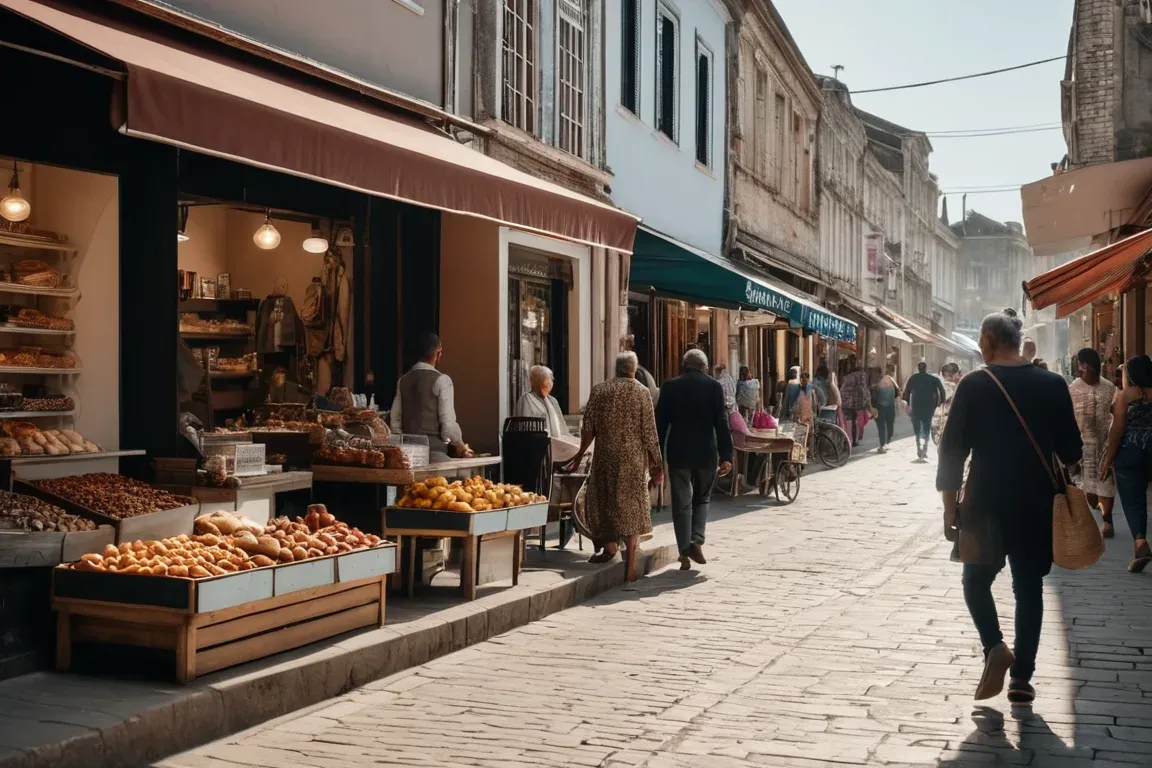
Museums vs Markets: Which Hours Are Better Spent
Museums vs markets travel is key here. Are you looking for a weekend getaway filled with history and culture-or perhaps an exciting shopping experience? Museums and markets are both great options for travelers seeking to learn more about the world around them or explore local goods. However, how much time you spend at each can differ depending on what you're interested in and your travel goals. read more travel guides

Museums: Hours & Payoff
Museums vs markets travel is key here. While museums are fantastic places to learn about history, art, science, and more, they often charge an entry fee. Many also require a ticket or pass that needs to be purchased in advance. Here's how long you could realistically spend at each type of museum:
- Museums: Most museums offer flexible opening hours, usually starting around 10 am and ending between 5 pm and 7 pm, depending on the venue. Some may even extend into late evenings or weekends, so you could spend up to four hours in a single visit.
- Payoff: Museums provide valuable insight into history, art, science, and culture, which can enrich your understanding of the world around us. The payoff is substantial if you're planning on spending significant time here.
Markets: Hours & Payoff
Museums vs markets travel is key here. Marks are a great way to get hands-on experience with local goods, try new foods, and connect with locals. Here's how long you could realistically spend at each type of market:
- Markets: Malls can be open between 8 am and 9 pm daily, or even later on weekends. Some markets may offer early access hours, so you could potentially fit in an extra hour before closing time.
- Payoff: Markets provide a chance to discover local goods, try unique foods, and connect with locals who can share their stories. The payoff is also substantial if you're looking for authentic experiences and interactions with the community.
Trade-offs & Costs
Museums vs markets travel is key here. Museums require an entrance fee that can range from free to several dollars per person, while markets generally don't charge admission fees but may have additional costs like food and transportation. Consider your budget and priorities when deciding between the two.
Museum Tips:
- Check if the museum offers discounts for groups or students.
- Avoid peak hours (8 am-10 am) to get a better view of exhibits.
- Take your time exploring and don't be afraid to ask questions at any point in the visit.
Market Tips:
- Bring cash or credit card for food purchases, as some markets require payment upon checkout.
- Check if there are special events happening during your visit that you can attend (like live music or cultural performances).
- Ask locals about their favorite spots and the best places to try local foods.
Conclusion
Museums vs markets travel is key here. To finish, whether museums or markets suit your interests better will depend on what aspects of history, culture, art, science, and community engagement you're seeking. Museums offer a deeper dive into the past with tangible payoffs in knowledge, while markets provide an immersive, hands-on experience that connects you directly to local life. Consider your goals and preferences when choosing between these two options.
Trade-offs: Museums vs Markets
Visiting museums can be a rewarding experience that allows you to immerse yourself in art, history, and culture. However, with extended hours come increased crowds and potential ticket prices. On the other hand, markets offer a more relaxed environment where you can shop for fresh produce at competitive prices and engage in community activities like cooking classes or live music performances. While museums might provide a deeper understanding of historical events or art movements, markets often offer more practical benefits such as affordable groceries and social interaction.Museums: Crafting Lasting Memories and Intellectual Stimulation
Spending time in a museum can be profoundly rewarding, offering a collection of intellectual and emotional stimulation. Unlike the fleeting thrill of browsing a busy market, museums are sanctuaries of history, art, and culture, crafted meticulously to engage and enlighten. For instance, the British Museum in London, boasting over 8 million objects, transports visitors through centuries of civilization—from the ancient world of the Egyptians and Greeks to the busy streets of 18th-century Paris. However, the allure of a busy market, such as the famous Grand Bazaar in Istanbul, is undeniable. Here, the thrill of the hunt—whether for a one-of-a-kind souvenir or a rare antique—mirrors the exhilaration of a treasure hunt, sparking a sense of adventure and discovery. But for many, the payoff from a busy market isn’t just in the items purchased. The busy aromas, the cacophony of voices, the dazzling display of craftsmanship, and the joy of bargaining all contribute to a sensory and social feast that cements priceless, albeit ephemeral, memories. Despite the allure, museums often boast meticulously curated exhibits that foster a deeper, more enduring engagement. An in-depth exploration at a museum can unveil narratives spanning millennia, from prehistoric artifacts to contemporary installations, challenging visitors to dismantle biases and broaden their worldview. Educational tours and interactive displays amplify this impact, turning casual strolls into transformative journeys. For parents, introducing children to the vast, interconnected stories of humanity fosters a lifelong appreciation for learning. In Chicago’s Museum of Science and Industry, for example, the hands-on exhibits not only ignite curiosity but also pave foundational knowledge in science and technology. In contrast, market visits, busy and spontaneous, are more about the journey and the people you meet. Markets, especially in culturally rich destinations, become hubs of community and commerce, reflecting the very heart of local traditions and economies. The experience at a Moroccan souk, like the Souk El Had in Marrakesh, intertwines commerce, storytelling, and culinary delights, offering a holistic cultural snapshot. Yet, this immediacy can overshadow the quieter, more introspective pursuits a museum visit embodies.The Day-to-Day Struggles: Navigating Attendance Challenges in Museums and Markets
Navigating the crowded halls of a renowned museum can be as daunting as it is enlightening. From navigating endless queues to deciphering arcane guidebooks, the logistics can overwhelm. The Smithsonian Institution in Washington, D.C., for example, sees over 30 million visitors annually—far too many for a seamless, stress-free visit. Overcrowding, limited accessibility, and inconsistent staffing can diminish the museumgoer’s experience, turning awe into annoyance. Interactive stations, though innovative, can overwhelm or frustrate visitors unfamiliar with digital interfaces, sparking sighs of exasperation amid towering totems of ancient Egypt or Renaissance art. Markets, meanwhile, thrive on congestion. The busy, often chaotic ambiance, while thrilling, can also be exhausting. In Mumbai’s chaotic Dharavi, navigating the labyrinth of alleyways and relentless chatter can be dizzyingly overwhelming. However, vendors are often eager to assist, weaving through busy crowds or hopping between storefronts to procure just the right textile or spice blend. This interplay of engagement—from the sheer thrill of the chase to the intimate, person-to-person exchanges—can elevate mundane quests into worth the fare adventures. For those seeking a sanctuary of culture and solitude, museums offer unparalleled respite, their hushed halls and curated collections providing a serene backdrop for deep dives into humanity’s grand mix. But for those craving the tactile thrill of the exotic, the ephemeral glamour of a busy market stalls with stories that whisper intimately, echoing the rhythms of everyday life in busy hues and busy voices.Frequently Asked Questions
Q: What is the best time to visit museums? A: The best time to visit museums depends on your personal preferences. Many prefer morning hours when crowds are smaller and less likely to be interrupted by other visitors. Q: How can I save money on museum visits? A: Check out special exhibits, discounts for students or seniors, and explore free admission days offered by some institutions. Q: Are markets more accessible than museums? A: Markets often have lower barriers to entry compared to museums. They are typically open from early morning until mid-afternoon, making them a convenient option for those with short travel time constraints. Q: Can I mix museum visits with market shopping? A: Yes, many cities allow visitors to enter both museums and markets after their respective hours close. This allows you to have a well-rounded experience that incorporates cultural appreciation with practical activities.