Amsterdam's two headline museums book out well ahead and offer no walk-up option. The city works perfectly well without either, which is worth knowing before treating a missed ticket as a ruined trip.
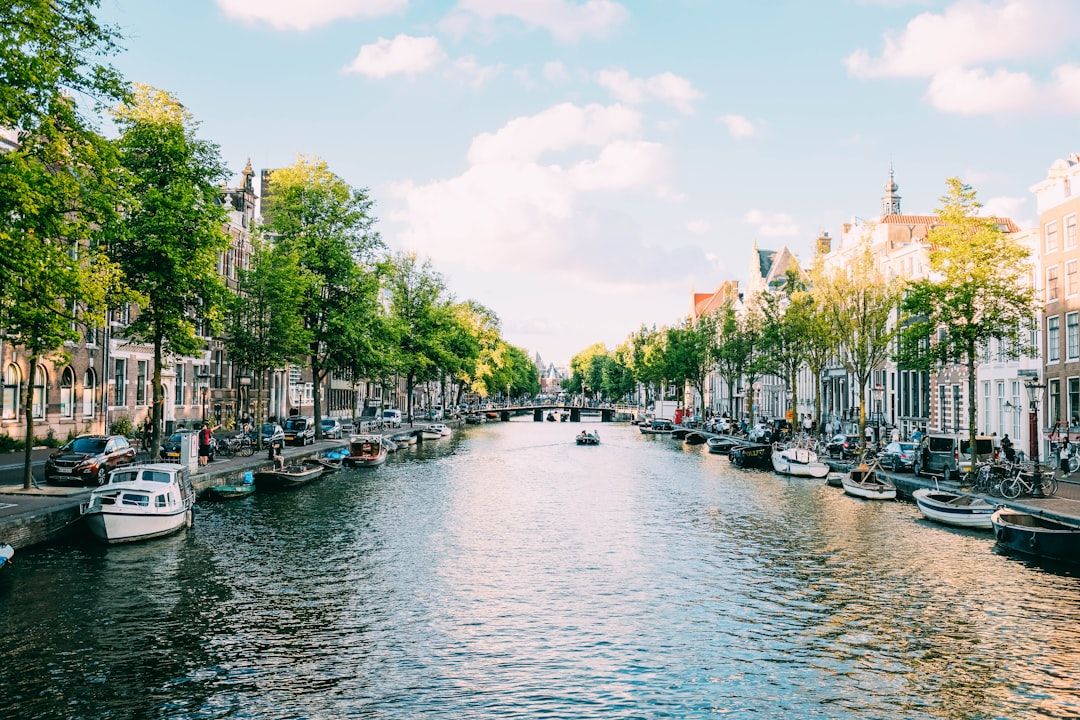
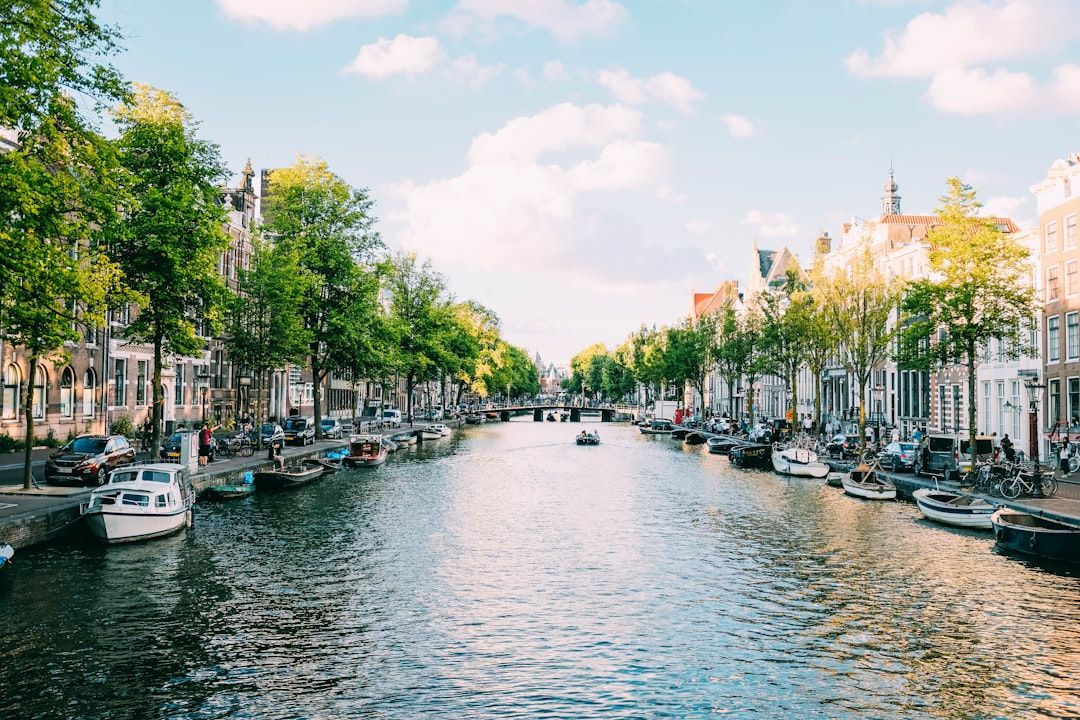
The canal ring
A UNESCO site, and walkable in an afternoon.
Herengracht, Keizersgracht, Prinsengracht in concentric arcs, with the Nine Streets crossing between them.
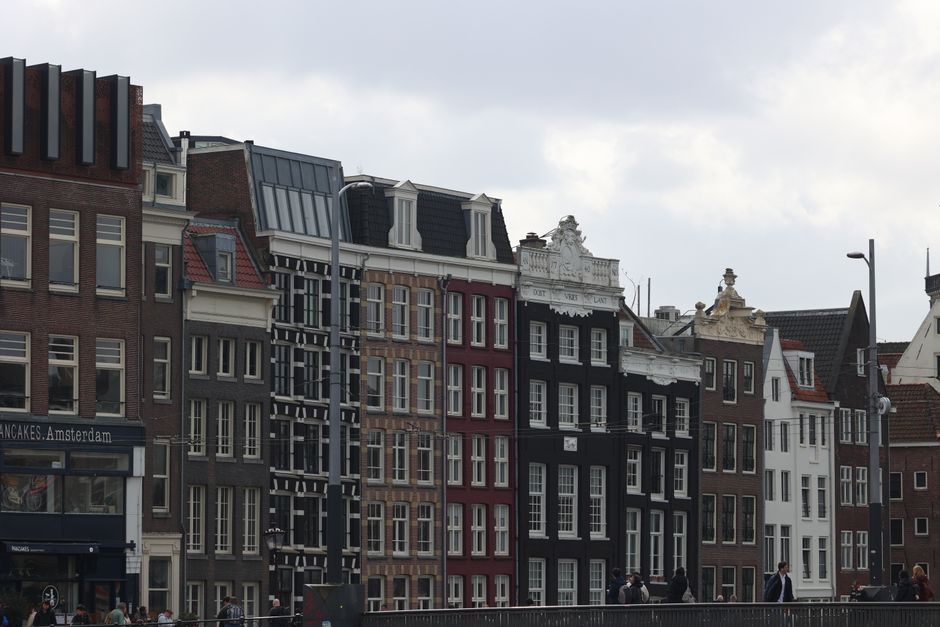
The gable variations — step, neck, bell, spout — are the thing to look at, and they are legible once you know they exist.
A small open boat beats the large glass-roofed ones, and evening trips when the bridges are lit are the best version.
The hofjes
Small almshouse courtyards, many founded centuries ago as charitable housing, tucked behind unmarked doors in the Jordaan and elsewhere.
Several are still residential and open to quiet visitors during the day. Finding them is one of the better things to do in the city, and there is no queue for any of it.
The Begijnhof, near Spui, is the best-known — a medieval courtyard in the middle of the city that most people walk straight past.
The free ferries
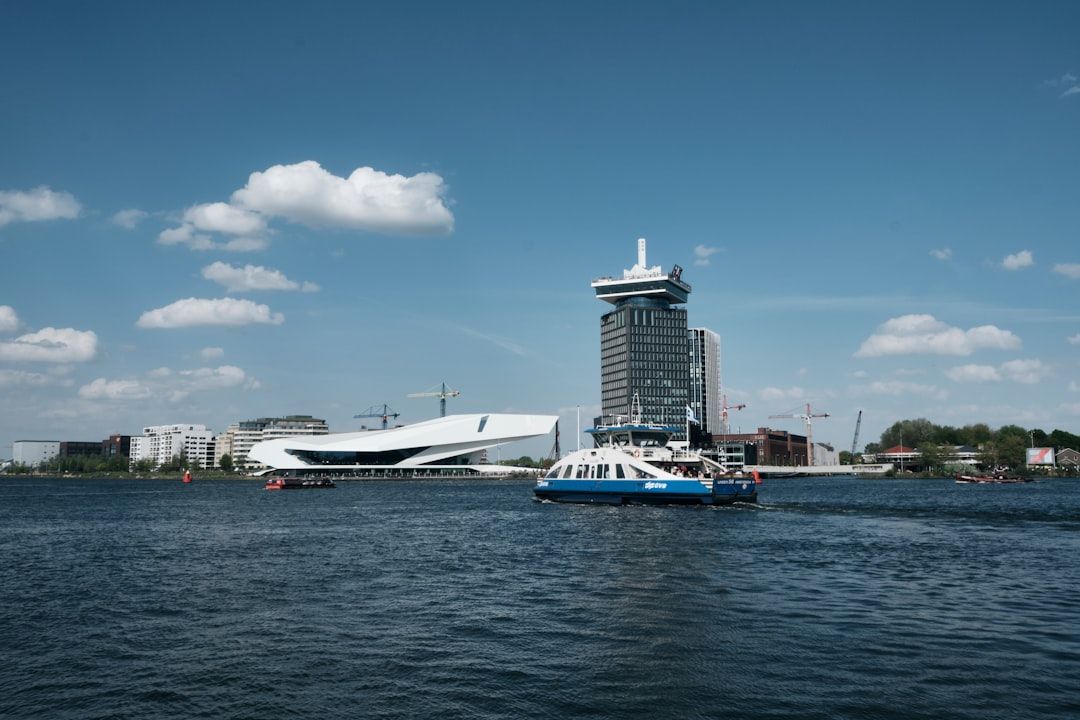
From behind Centraal Station to Amsterdam-Noord, free for pedestrians and cyclists, running frequently.
NDSM — a converted shipyard with street art, cafés and a flea market.
EYE film museum, directly across the water, with a café and a view back at the city.
Museums that usually have tickets
The Rembrandt House, where he lived and worked, reconstructed with his printing press.
Museum Ons' Lieve Heer op Solder — a clandestine Catholic church built in a canal house attic during the Reformation, when Catholic worship was banned. Strange and quiet.
Foam for photography, the Hermitage, and the Maritime Museum with a replica East Indiaman moored outside.
The Mauritshuis in The Hague, fifty minutes by train, holds Girl with a Pearl Earring and is far easier to book.
The neighbourhoods
The Jordaan — former working-class district, now the loveliest part of the centre.
De Pijp — the Albert Cuyp market and the best eating.
Oud-West and the Foodhallen.
The Eastern Docklands, with modern architecture on reclaimed land.
The cycling question
Only if you are a confident cyclist. The bike lanes move fast and are used by commuters; hesitation causes accidents.
Walking and trams cover the centre easily, and cycling is better attempted in Utrecht or Haarlem first.
Day trips
| Destination | Time |
|---|---|
| Haarlem | 15 min — Frans Hals Museum, quieter old town |
| Utrecht | 30 min — sunken canal wharves |
| The Hague | 50 min — Mauritshuis |
| Keukenhof | 1h — tulips, Mar–May, book ahead |
Practical
Stay outside the centre — De Pijp, Oud-West, Noord — for lower prices and a quieter night.
Trams and metro on a contactless card or OV-chipkaart.