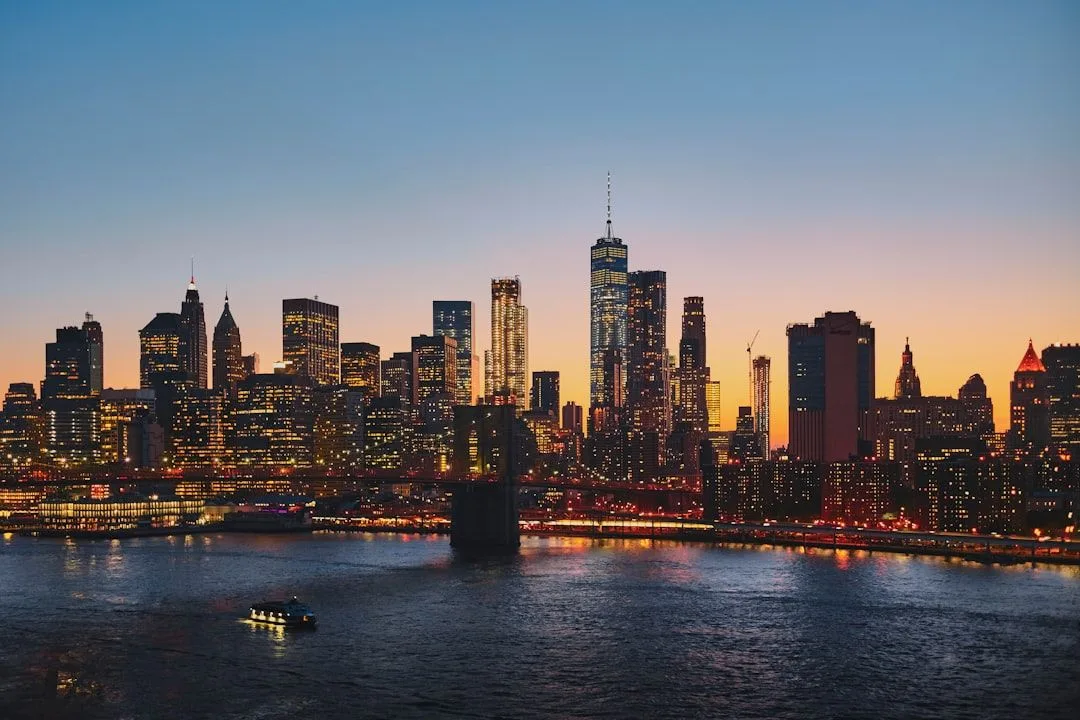
Barcelona's Modernisme is treated as one architect's work. It was a movement, and the buildings by the others have no queues.
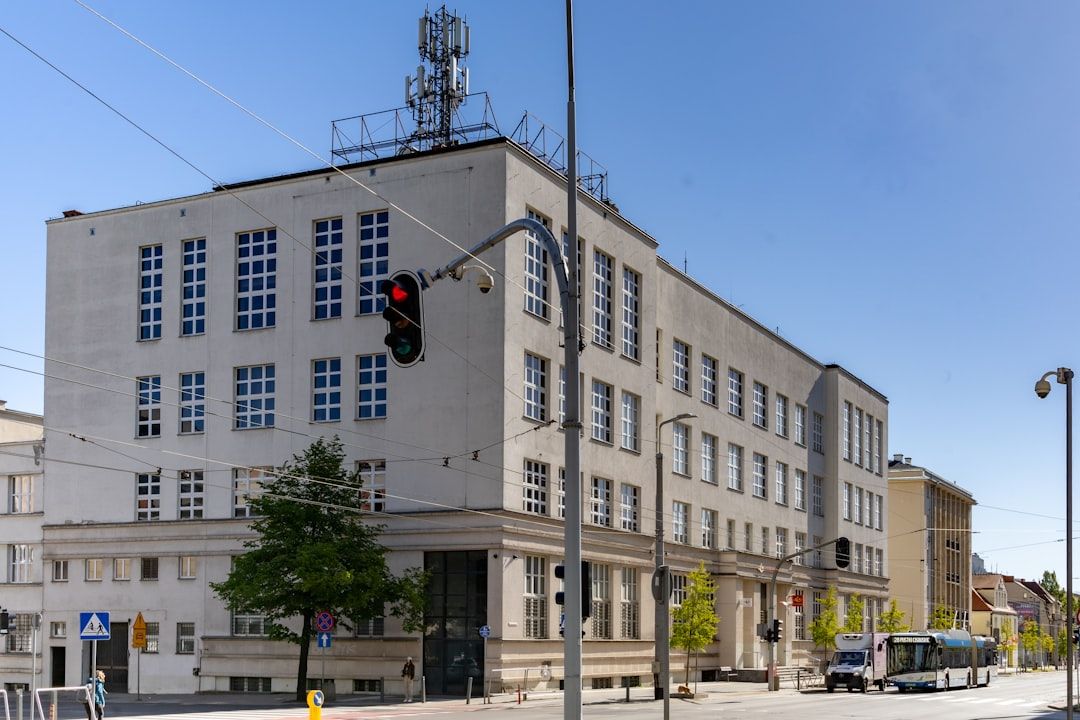
The Modernisme that is not Gaudí
The Hospital de Sant Pau, by Lluís Domènech i Montaner — a complex of pavilions set in gardens, built as a working hospital on the principle that beauty aids recovery.
A UNESCO site, ten minutes' walk from the Sagrada Família, and it receives a small fraction of the traffic.
The Palau de la Música Catalana, also Domènech i Montaner — a concert hall with an inverted stained-glass skylight hanging over the auditorium. Better as a concert than a tour, and small recitals are modestly priced.
Casa Amatller, next to Casa Batlló, by Puig i Cadafalch.
MNAC
The National Art Museum of Catalonia, on Montjuïc, and the best museum in the city.
Its Romanesque collection is the reason: frescoes cut from the walls of Pyrenean churches in the early twentieth century to save them from decay and sale, and reinstalled here in reconstructed apses of the same dimensions.
One of the most important collections of medieval wall painting anywhere, and rarely busy.
The Miró Foundation is on the same hill, in a building designed for it.
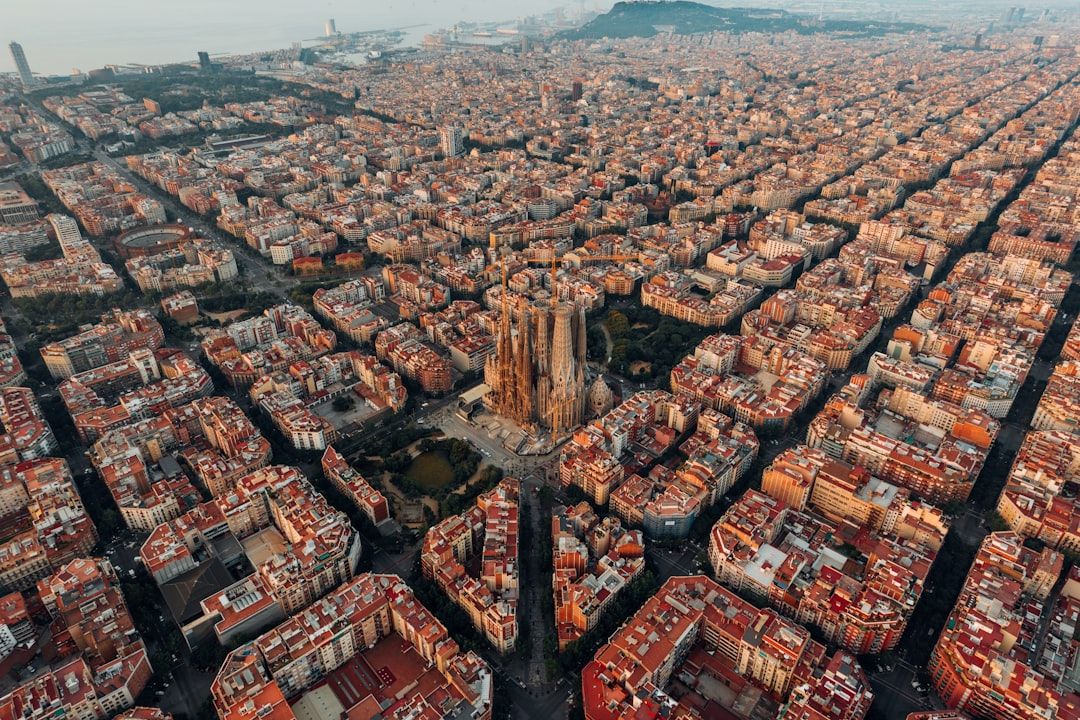
The old city
Santa Maria del Mar — a fourteenth-century church of extraordinary austerity, free outside guided hours, and a relief after all the Modernisme.
MUHBA — where you descend into the excavated Roman city beneath the Gothic Quarter, streets and workshops intact.
The Maritime Museum, in the medieval royal shipyards — a Gothic hall of enormous stone arches, worth it for the building alone.
Free
Bunkers del Carmel — a former anti-aircraft position with a 360-degree view over the city to the sea. Reached by bus and a short climb, busiest at sunset. Residents ask for quiet in the evening.
The Gothic Quarter and El Born on foot.
The beach, and Poblenou's quieter stretches at Bogatell and Mar Bella.
Park Güell's wider park, as distinct from the ticketed monumental zone.
Several municipal museums are free on Sunday afternoons and the first Sunday of the month — check current terms.
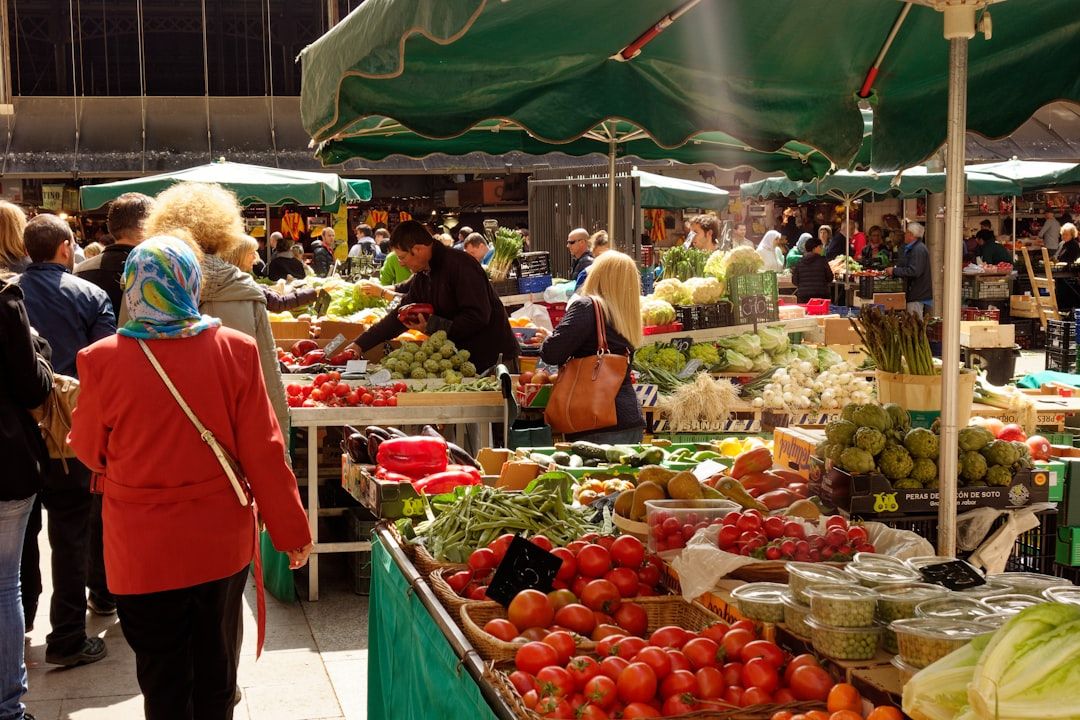
The markets
Santa Caterina and Sant Antoni — used by residents, with bars serving excellent food at counter prices.
La Boqueria is worth walking through and is priced for visitors, especially near the entrance.
Where to eat
Gràcia, Sant Antoni, El Born, Poblenou.
Not the Ramblas, which is a tourist strip and a pickpocketing hotspot.
Lunch menus cost roughly half the evening equivalent.
Practical
Book the Sagrada Família and Park Güell if you want them; everything above is walk-in.
Most museums close Mondays.
May, June, September, October. August is hot and the city is at capacity.