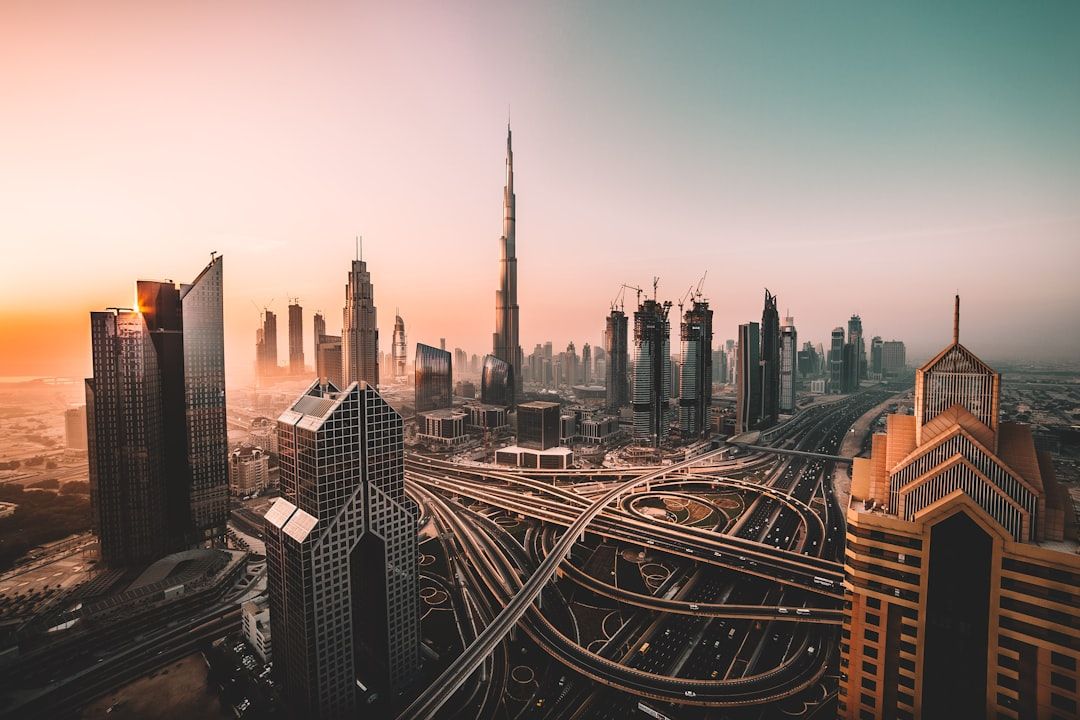
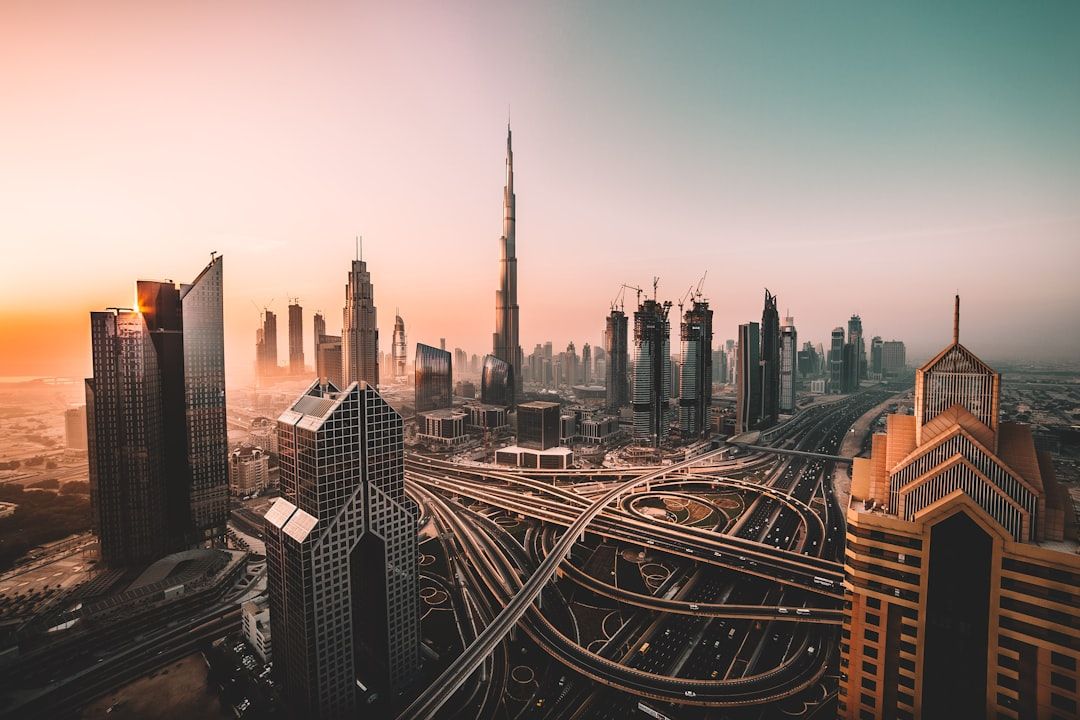
Dubai markets the skyline. Two miles away sits a nineteenth-century trading port, on the metro, that most visitors never reach — and it is the more interesting half.
The old city
Al Fahidi, also called Bastakiya — a restored quarter of coral and gypsum houses with wind towers, an early passive air conditioning that channels breeze down into the rooms.
Narrow shaded lanes, small museums, galleries and courtyard cafés.
Dubai Museum in the Al Fahidi fort, the oldest building in the city.
The Sheikh Mohammed Centre for Cultural Understanding runs meals and discussions where questions about Emirati life and Islam are explicitly invited.
The creek
Abras — small wooden boats crossing Dubai Creek for one dirham. They depart when full, have run for generations, and are the most atmospheric thing in the city.
On the Deira side:
The Gold Souk, priced by weight plus a negotiable making charge.
The Spice Souk, adjacent.
The dhow wharfage, where wooden cargo boats still load goods by hand for Iran, India and East Africa. A working port rather than a display.
The modern city
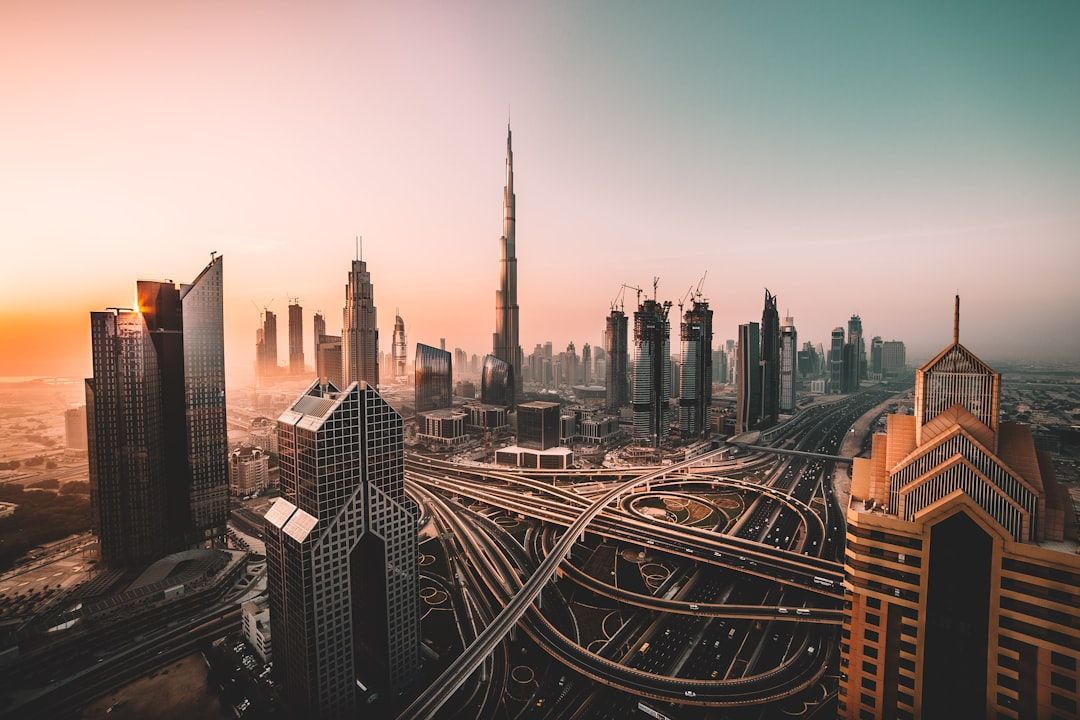
Burj Khalifa — levels 124/125 at one price, 148 considerably higher. Sunset slots cost more and go first.
The cheaper version: a drink at a bar in a nearby tower, which gets you a view of the Burj.
The Dubai Fountain outside the mall — free, every half hour in the evening.
The Museum of the Future, architecturally striking, timed entry.
Dubai Marina and JBR for the beach and the walk.
Palm Jumeirah, best understood from the monorail.
The desert
Quality varies enormously.
Quieter conservation-reserve operators are considerably better than the large dune-bashing convoys, which put dozens of vehicles on the same dunes.
Ask about group size, whether the camp is shared with other operators, and the wildlife policy.
Hatta, in the mountains, for hiking and the dam — a different landscape entirely.
Abu Dhabi
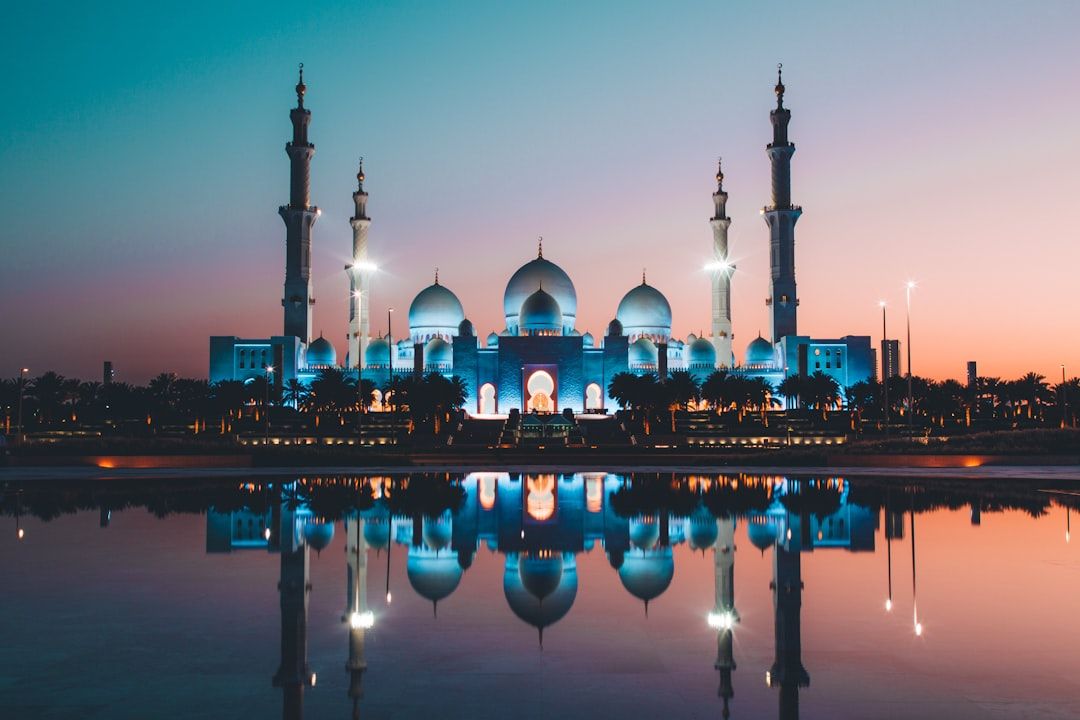
90 minutes away, and the Sheikh Zayed Grand Mosque is free, enormous, and requires full covering including a headscarf for women, provided at the entrance.
Louvre Abu Dhabi, under Jean Nouvel's perforated dome that filters light like palm fronds.
Practical
Season: November to March at 24–30°C. June to September exceeds 40°C with humidity and confines you indoors.
The metro is cheap and covers the main axis; a Nol card covers it and the buses.
Dress modestly in the old city, souks and malls. Beach and hotel areas are relaxed.
Ramadan changes opening hours and daytime eating in public; the dates move each year.