Istanbul's famous sights sit inside one square kilometre of the old peninsula. Almost everything else worth doing is across water — the Golden Horn or the Bosphorus.
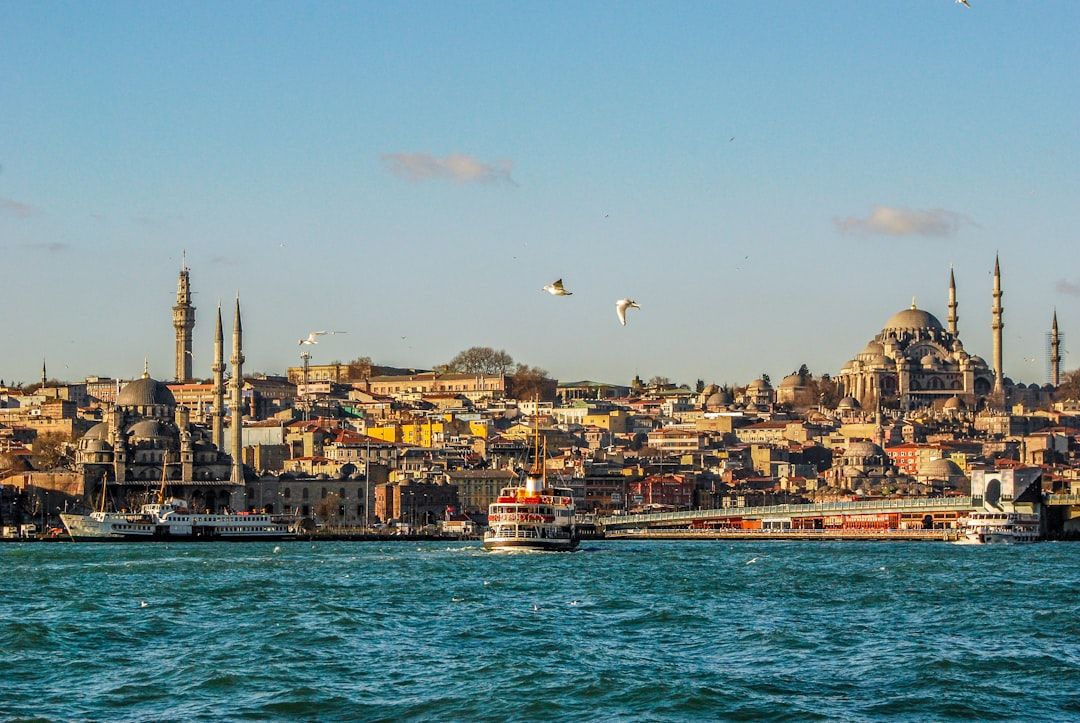
The ferries, which are the best thing
Public transport, not tours. Commuter ferries between Eminönü, Karaköy, Kadıköy and Üsküdar cost a normal fare on an İstanbulkart and give the best views in the city.
Tea is sold on board. Sitting outside with one as the city passes is the single best hour in Istanbul.
The full-Bosphorus ferry runs up toward the Black Sea and takes most of a day, stopping at Anadolu Kavağı where you climb to a ruined fortress and eat fish.
The Asian side
Twenty minutes by ferry, and very few visitors cross.
Kadıköy — the best food market in the city, and a bar and restaurant scene where young Istanbul actually goes. Prices noticeably lower.
Moda, along the water, for the coastal walk and the view back at the old city.
Üsküdar, more conservative, with fine Ottoman mosques and the Maiden's Tower offshore.
Along the Golden Horn
Balat and Fener — the old Greek and Jewish quarters, coloured houses on steep lanes, antique shops. Heavily photographed now and still residential.
The Greek Orthodox Patriarchate is in Fener, and Chora Church nearby holds some of the finest Byzantine mosaics anywhere — check its current status and opening arrangements.
Eyüp, further up, with the Pierre Loti hill reached by cable car for the view down the Horn.
The hammam
The historic ones — several sixteenth century, designed by Mimar Sinan — are architecturally remarkable regardless of the treatment.
Prices at the famous ones are high and aimed at visitors. Neighbourhood hammams cost a fraction and are used by locals.
Expect a scrub, a foam wash, and a marble slab under a domed ceiling pierced with star-shaped windows.
Sultanahmet, efficiently
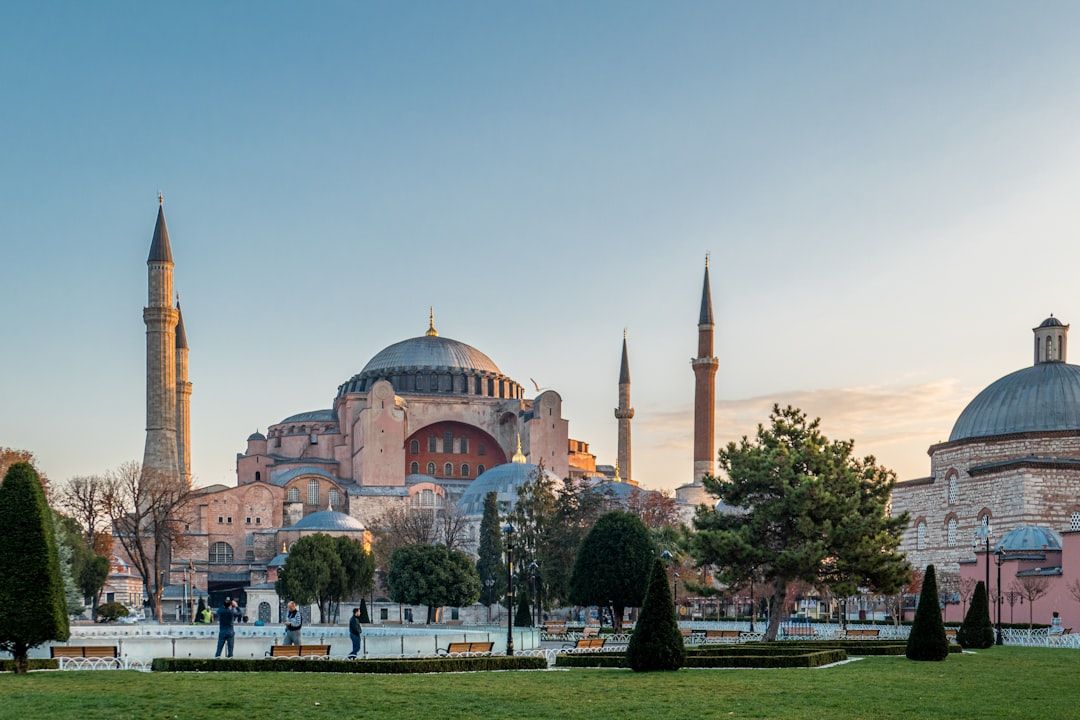
Hagia Sophia, the Blue Mosque, Topkapı with the Harem as a worthwhile separate ticket, and the Basilica Cistern.
The Archaeological Museums, which almost nobody visits and which hold the Alexander Sarcophagus.
Süleymaniye Mosque, Sinan's masterpiece, with a terrace view over the Horn and far calmer than the Blue Mosque.
Eating
Kadıköy's market and the fish restaurants around it.
Balık ekmek — grilled fish sandwiches from boats at Eminönü.
Meyhane in Beyoğlu — taverns serving meze with rakı, which is an evening rather than a meal.
Breakfast, which Turks take seriously — a spread of cheeses, olives, eggs, honey and bread.
Practical
İstanbulkart for ferries, trams, metro, buses and funiculars.
Mosque etiquette: shoulders and knees covered, hair covered for women, shoes off. Avoid prayer times and Friday midday.
The carpet approach — a friendly stranger who steers you toward a shop — is persistent rather than dangerous.