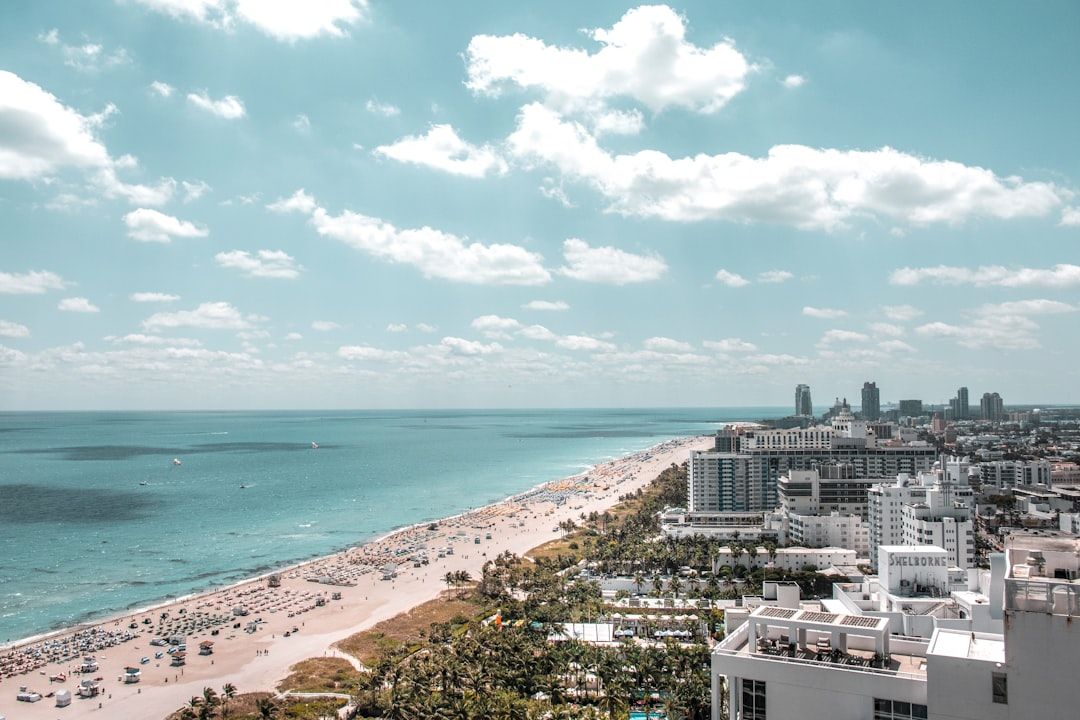
Miami's beach is why people come. Its neighbourhoods are why some of them come back, and they are a short drive from the sand.
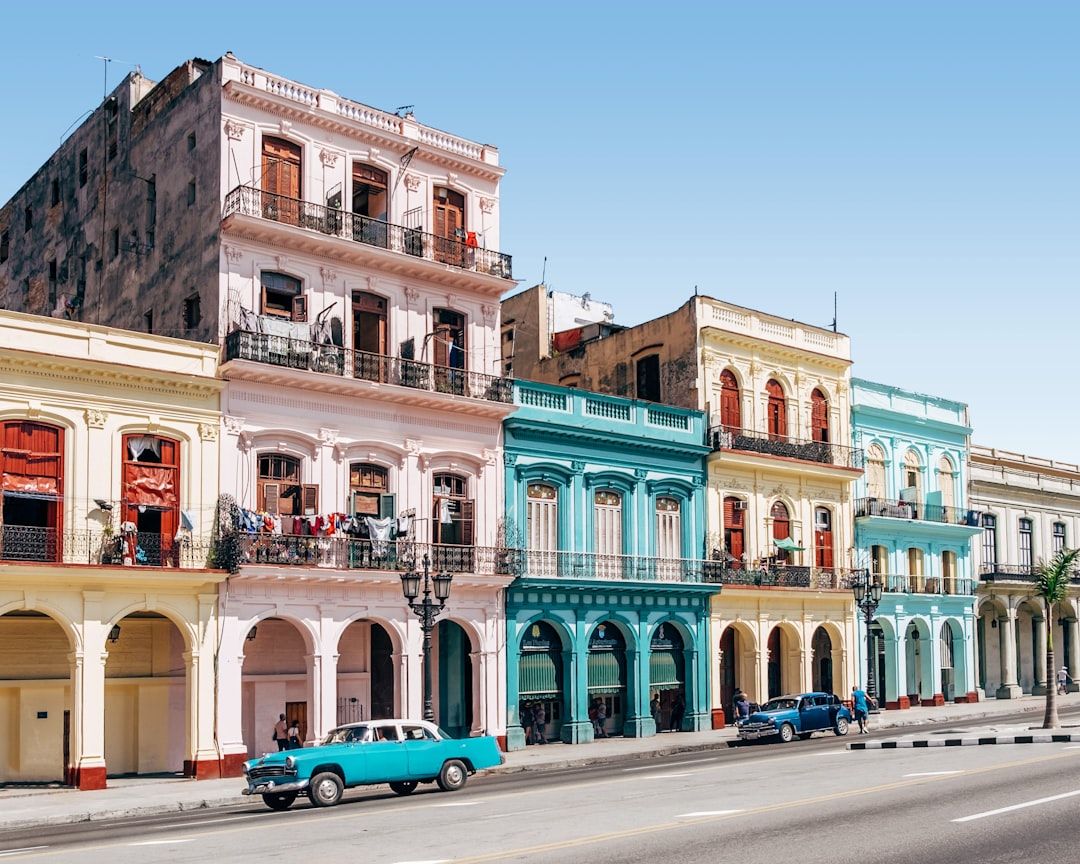
Little Havana
Centred on Calle Ocho, and the most distinctive part of the city.
Cigar rollers working in open shopfronts, domino players in Máximo Gómez Park, coffee windows serving cortaditos to people standing on the pavement, and live music in the evening.
Free to walk through, and Viernes Culturales on the last Friday of the month brings out the street.
Wynwood
A former warehouse district now covered in large-scale murals.
The Wynwood Walls is a ticketed curated section; the surrounding blocks hold a great deal of free street art that changes constantly.
Galleries, breweries and restaurants have followed. Walkable, and best in the morning before the heat.
The Art Deco district
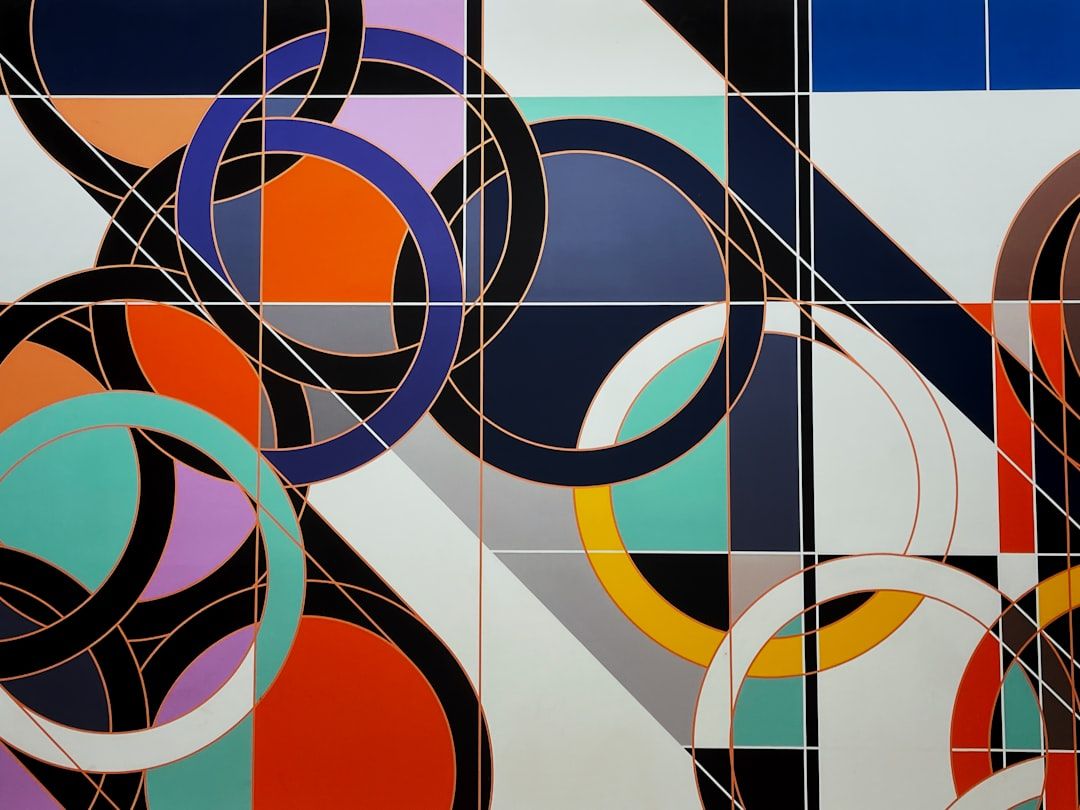
South Beach along Ocean Drive and the streets behind — one of the largest concentrations of 1930s Art Deco architecture in the world.
Walking tours run from the Art Deco Welcome Center, and the buildings photograph best in morning light before the crowds.
Española Way and Lincoln Road nearby.
Coral Gables and Coconut Grove
The Venetian Pool — a public swimming pool carved from a coral rock quarry in the 1920s, fed by spring water, and unlike any other pool anywhere.
Vizcaya, a 1916 Italianate villa with formal gardens on the bay.
The Biltmore Hotel, worth walking into.
Coconut Grove, older and leafier than the rest of Miami.
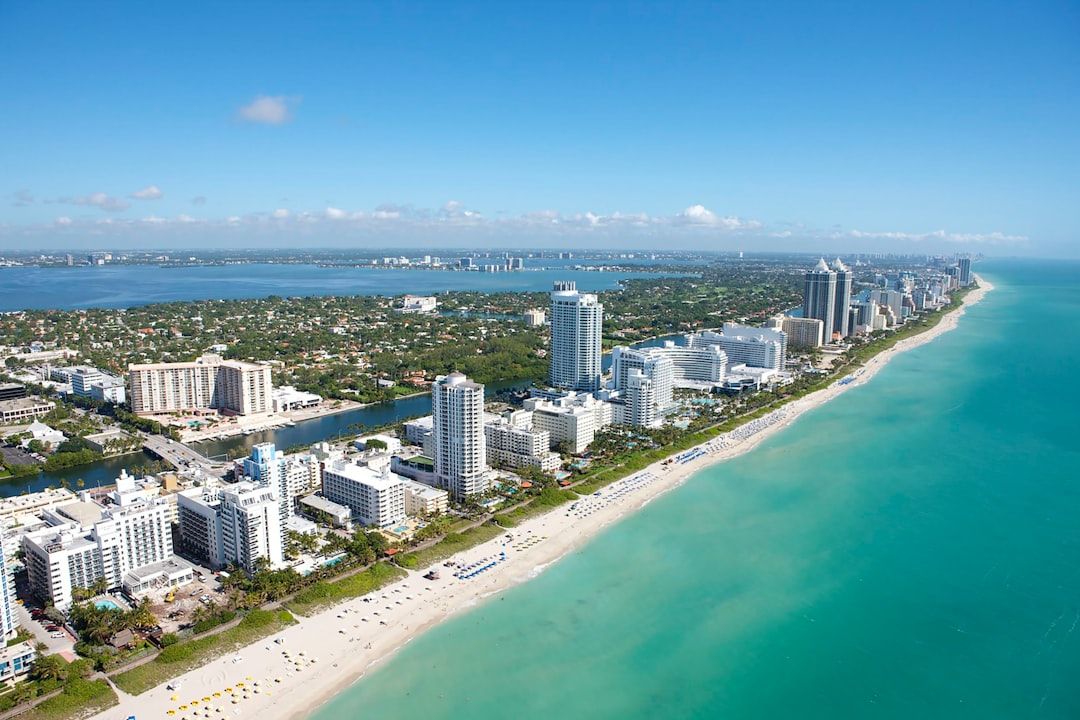
Water
South Beach is the famous one and the busiest.
Crandon Park and Bill Baggs on Key Biscayne — calmer, with a lighthouse.
Haulover and the beaches north of the main strip.
Biscayne National Park, which is 95% water, with boat trips over the reefs.
The Everglades
An hour west, and completely different.
The Anhinga Trail at Royal Palm — a short boardwalk with alligators, anhingas and herons at close range. The best wildlife per minute in Florida.
Shark Valley — a 15-mile loop by tram or bicycle, with alligators beside the path.
Both show more than an airboat, because animals do not move away from a quiet approach.
Eating
Cuban — a medianoche or a ropa vieja, with a café cubano at a walk-up window.
Haitian food in Little Haiti.
Stone crab in season, roughly October to May.
Ceviche and Venezuelan arepas, which are everywhere and rarely mentioned in guides.
Practical
A car helps — Miami is spread out and public transport is limited, though the Metromover downtown is free.
December to April is the dry season and the good one.
Hurricane season runs June to November with peak risk in late summer.