Rome's ticketed sights are famous. Its free ones include some of the greatest paintings in Europe, which makes a properly cheap Roman visit also a complete one.
The Caravaggio churches
Free, open, and usually without a queue.
San Luigi dei Francesi — three Caravaggios in one chapel, the Saint Matthew cycle. Bring coins for the light box.
Santa Maria del Popolo — the Conversion of Saint Paul and the Crucifixion of Saint Peter.
Sant'Agostino — the Madonna of Loreto.
More Caravaggio than most national galleries hold, at no charge.
The other free churches
San Clemente — three stacked levels: twelfth-century church, fourth-century church beneath, and a first-century Roman house with a Mithraic temple below that. The upper level is free; the lower ones take a small ticket and are worth it.
San Pietro in Vincoli — Michelangelo's Moses.
Santa Maria Maggiore — fifth-century mosaics.
Santa Prassede, nearby, with a chapel of Byzantine mosaics almost nobody visits.
Santa Maria in Trastevere — golden apse mosaics, and the piazza outside.
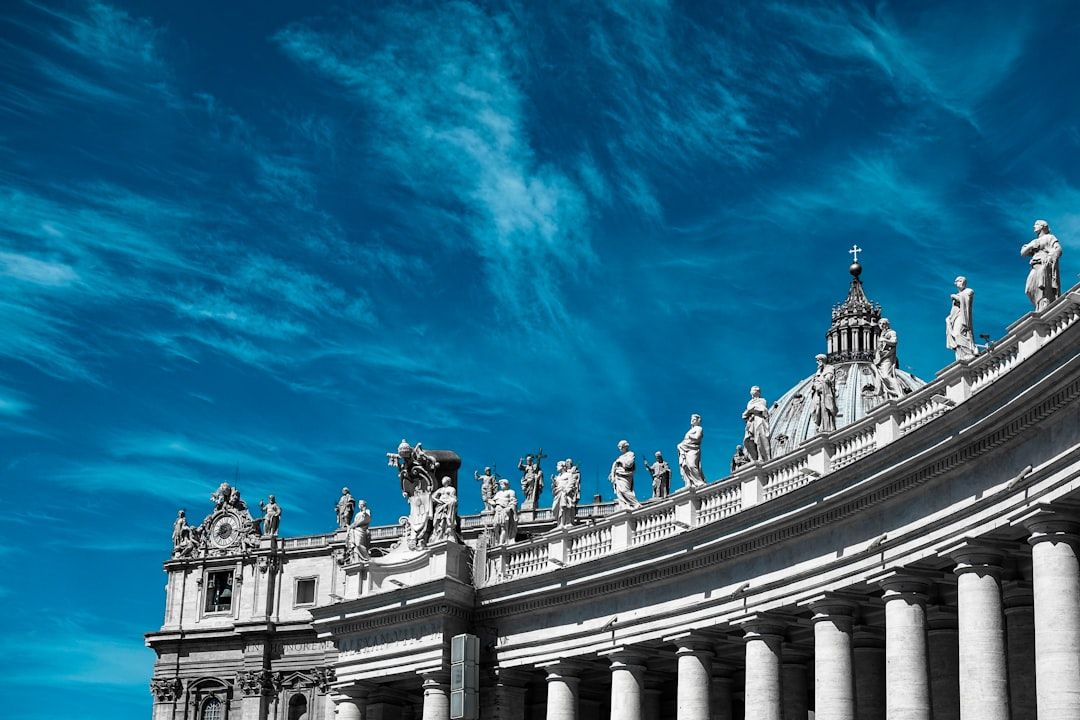
St Peter's Basilica — free, with a security queue shortest at opening. The dome climb is separately ticketed.
Outdoors
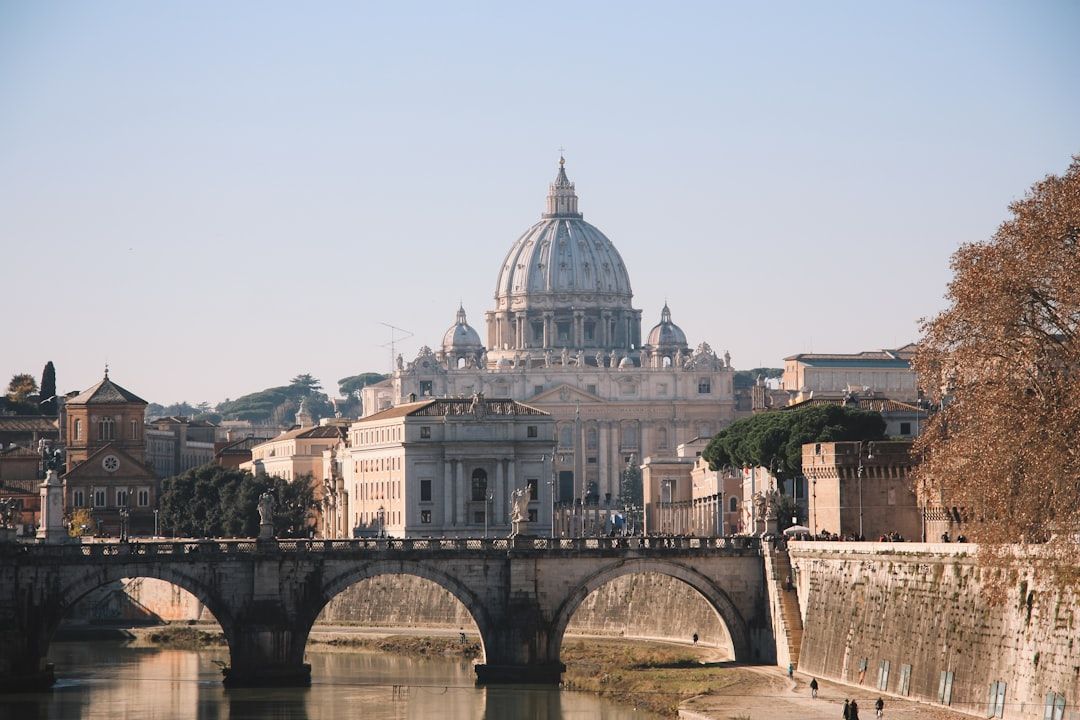
The Aventine keyhole — St Peter's dome framed by a hedge-lined avenue, seen through a door. Thirty seconds, free, with a small queue of people who know.
The Orange Garden beside it, and Santa Sabina's fifth-century carved doors.
The Gianicolo above Trastevere, for the best view over the whole city.
Villa Borghese gardens — the park, as distinct from the ticketed gallery inside it.
Piazza Navona, Campo de' Fiori, the Trevi Fountain, the Spanish Steps.
The water
Around 2,500 nasoni — cast-iron street fountains running continuously with clean cold aqueduct water.
Block the spout with a finger and it jets upward from a hole on top. Carry a bottle; buying water in Rome is unnecessary.
Cheap rather than free
Ostia Antica — a Roman port town nearly as complete as Pompeii, forty minutes by metro and train, for a small ticket and a fraction of the visitors.
The Baths of Caracalla, vast and largely empty.
The Capitoline Museums, with the original Marcus Aurelius bronze.
The Appian Way by hired bicycle, closed to most traffic on Sundays.
Eating cheaply
Coffee standing at the bar: €1.20. Seated on a piazza: €4–6. Both prices posted by law.
Pizza al taglio — by weight from a counter — is a €4 lunch.
Testaccio, Pigneto and San Lorenzo have the city's best cheap food and no tourist pricing.
Practical
Only three things need booking in Rome: the Colosseum, the Vatican Museums and the Borghese Gallery.
Shoes. Twelve to fifteen kilometres a day on worn cobbles.